Behind the Scenes of My Creative Process: How I Craft Yoga Classes with Heart
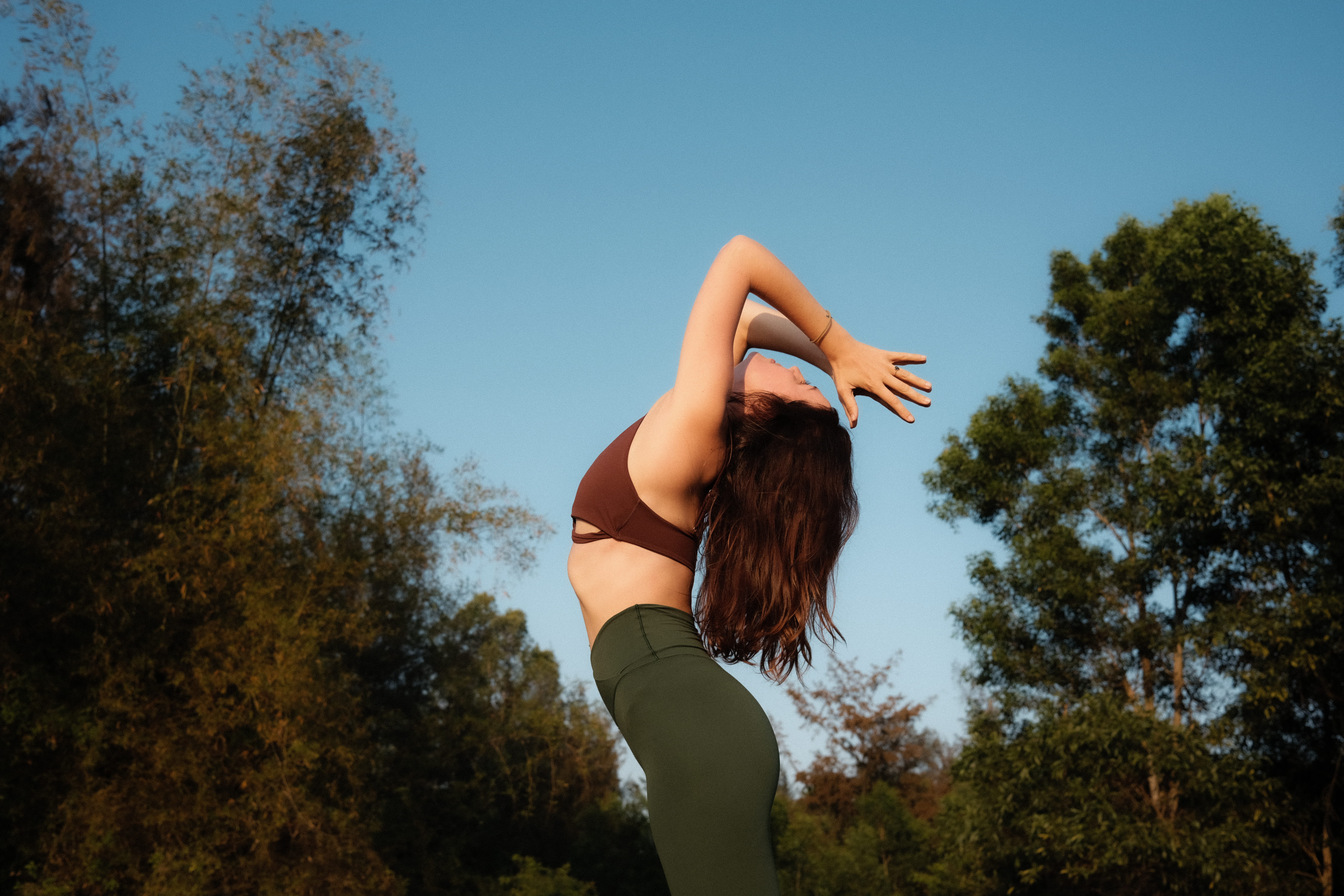
As a yoga teacher, one of my favorite parts of the job is the creative process behind building each class. It’s not just about putting poses together — it’s about designing an experience that feels thoughtful, inspiring, and accessible. People often ask me, “How do you come up with your sequences? What’s your secret?” So, here’s a little peek behind the curtain.
Starting with Intention and a Peak Pose
Every class begins with a clear intention — both physically and thematically. Often, I choose a peak pose or a key movement that the class will work towards. This could be an arm balance, a deep backbend, or a challenging balance pose.
What I love to do is foreshadow that peak pose throughout the class — weaving small, accessible elements of it into the warm-up and early flow. This gently introduces the body to the key movements, builds strength and flexibility in the right areas, and helps students feel more confident and prepared as they move deeper into the practice.
For example, if the peak pose is Dancer’s Pose (Natarajasana), I might include hip openers, quad stretches, and balance drills in the warm-up. These mini-preps make the peak pose feel less intimidating and more approachable.
Sequencing: Crafting a Story Through Movement
Sequencing is like telling a story with the body. I think about how to build energy gradually — warming up the muscles, opening key joints, and slowly increasing complexity.
I pay close attention to transitions, so each movement flows smoothly into the next, connected by breath. This creates a rhythm that feels natural and grounding.
Sometimes, I try out the sequence myself, noticing how the body responds. This embodied experimentation helps me fine-tune the flow to be both challenging and supportive.
Breath as the Thread
In every class, breath is my guiding thread. I link movement to inhale and exhale, inviting students to move mindfully and cultivate presence. Breath helps us stay grounded, calm the nervous system, and connect more deeply to the practice.
Dharma Talks: Adding Depth and Reflection
Yoga is more than physical movement — it’s a practice of self-awareness and growth. I craft dharma talks that resonate with the theme of the class and invite reflection.
These short talks often introduce ideas like patience, courage, or balance — qualities that naturally arise on the mat and in life.
Inspiration and Grounding
My inspiration comes from many places — nature, books, life experiences, and conversations with students. But I always return to what feels authentic to me and what serves my students best.
I balance creativity with structure, allowing space for spontaneity in class while honoring the intention and flow I’ve crafted.
Sharing the Journey
The most rewarding part of this process is seeing students engage with the practice — feeling stronger, more open, more present. Each class is a living, evolving journey we take together.
Thank you for letting me share a glimpse of my creative process with you. Whether you’re a fellow teacher or a student, I hope this inspires you to approach your practice with curiosity and care. If you want to hear more about specific classes, sequencing tips, or dharma talks, just let me know!
Namaste,Clare