The Art of Foreshadowing in Your Yoga Classes
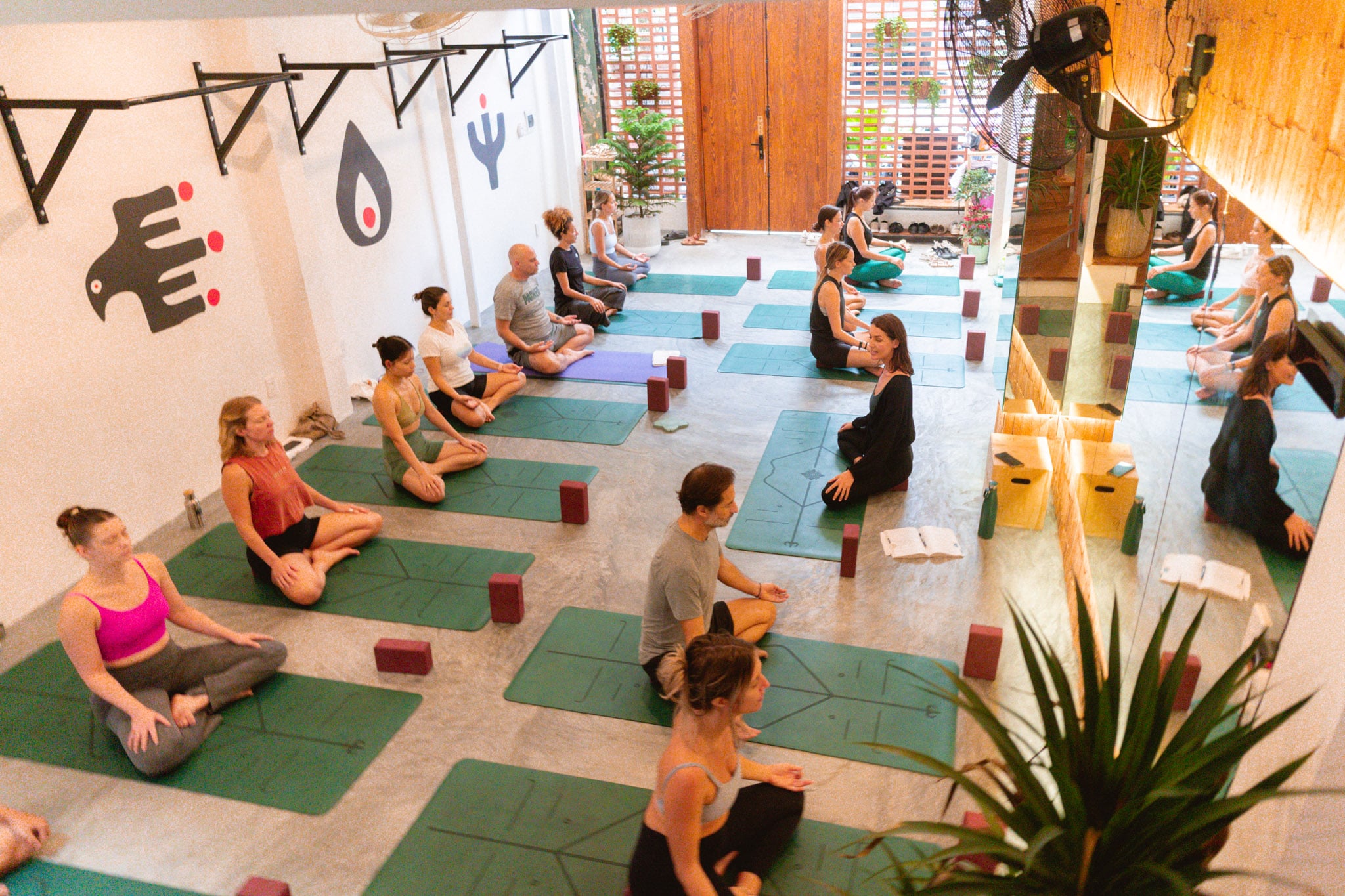
What Is Foreshadowing in Yoga?
Great yoga classes are not just sequences of poses — they’re experiences. They ebb and flow like good music, tell stories like great books, and leave students feeling like they've traveled somewhere new by the end. One of the subtler, more powerful tools in a yoga teacher’s toolkit to craft this kind of experience is foreshadowing.
In literature, foreshadowing is a storytelling device — a subtle hint of what’s to come. In yoga, it works similarly. Through breath cues, movement patterns, and language, foreshadowing sets the stage for peak moments in your class, both physically and emotionally.
It’s not about giving away the ending — it’s about preparing the body and mind for where you’re going so the journey feels seamless and intentional.
Why Use Foreshadowing?
1. Builds Trust: Students feel safe when they can sense a thread through the class. Foreshadowing creates predictability in a good way — it helps students feel like there’s a purpose behind every cue and pose.
2. Enhances Learning: Repeating movement themes in simple ways early on sets a foundation for more complex poses later. This reinforces muscle memory and builds confidence.
3. Creates Narrative Flow: A yoga class is a story. You’re the narrator. When you hint at where things are headed, you guide your students on a meaningful arc, making the final posture or meditation feel earned.
How to Foreshadow Like a Pro
🌱 Start Small
Introduce a subtle movement or idea early — maybe it's engaging the core in tabletop, or externally rotating the shoulders in downward dog. This becomes a physical or energetic thread you’ll build on.
Example: If your peak pose is Half Moon (Ardha Chandrasana), start class with supine leg lifts and low lunge twists to subtly activate the side body and balance reflexes.
🎵 Use Language to Plant Seeds
Words are powerful. Say, “We’re warming up the hips now for something a bit more expansive later,” or “Feel the connection between your hand and your heart — we’ll come back to that.” These cues tell students you’re taking them somewhere.
🔄 Recycle Cues Intentionally
When you repeat a cue like “press down to lift up” or “find length before depth,” you create consistency. Later, when students hear the same cue in a more advanced posture, their bodies remember.
🌀 Echo Themes in Breath and Energy
If your class is about courage, resilience, or surrender, let that theme echo in your breathwork and pacing. Start with breath awareness, then return to it mid-class when things get intense, reminding students of their anchor.
Examples of Foreshadowing in Action
- Class Focus: Heart Openers
Early Cue: Hands clasped behind the back in Tadasana
Mid-Class: Cobra pose with shoulder integration
Peak Pose: Camel or Wheel - Class Focus: Balance & Focus
Early Cue: Tabletop with opposite arm/leg extension
Mid-Class: Warrior III preps with blocks
Peak Pose: Half Moon or Dancer's Pose - Theme-Based Class: Grounding and Letting Go
Early Cue: Breath into the soles of the feet
Mid-Class: Slow transitions and long holds
Closing: Seated forward fold and guided meditation on release
Final Thoughts: Less is More
Foreshadowing is subtle — it's not about spoiling the surprise. It’s about weaving intention throughout the class so that nothing feels random. When done with care, it enhances your students’ trust in you, deepens their physical awareness, and makes the peak moments of your class feel inevitable — not because they were easy, but because they were built step by step, breath by breath.
Remember: The best classes don’t just take students from Point A to Point B — they take them on a journey. Foreshadowing is the map that gets them there.